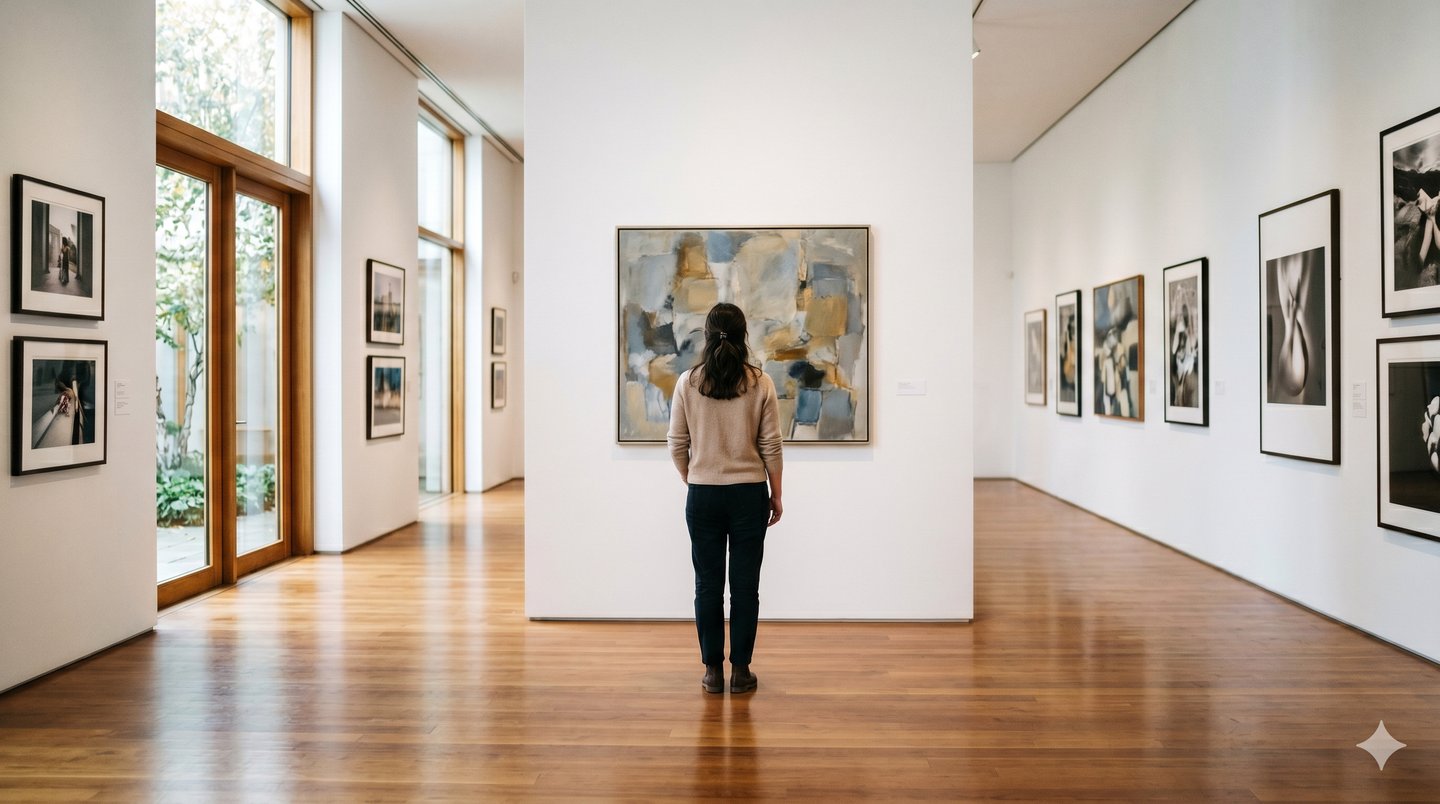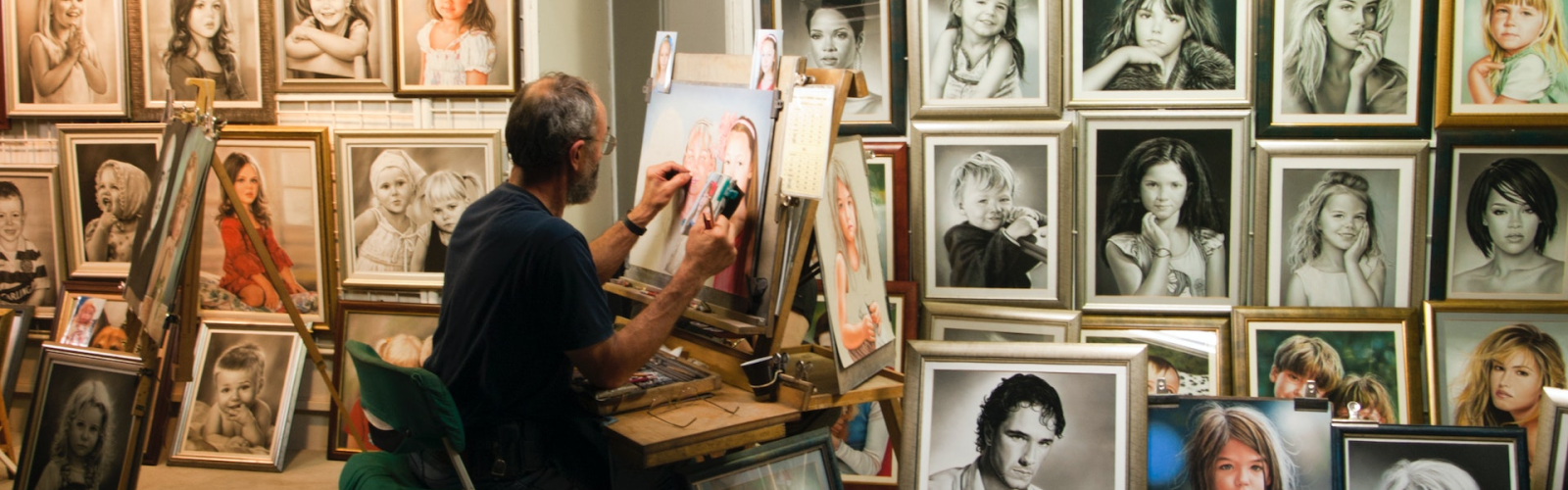

From immersive digital installations to intimate black‑and‑white retrospectives, contemporary photography exhibitions are redefining how we see and experience images. Curators are pushing beyond traditional gallery walls, foregrounding urgent social questions, and using interactive technology to pull viewers into the creative process. For photographers, artists, and visual culture enthusiasts, keeping up with these landmark shows is essential for understanding where modern art is headed next.
1. Immersive Digital Photo Realms
One of the most influential trends in recent years is the rise of immersive digital spaces dedicated to photography. These exhibitions transform static images into floor‑to‑ceiling projections, layered with sound design, motion graphics, and sometimes even responsive sensors. Visitors are no longer passive observers; they are surrounded by an evolving visual environment that turns viewing into an embodied experience.
These shows matter because they question what a “photograph” can be. By blowing up images to architectural scale and blending them with animation, curators highlight the constructed nature of every frame. The line between still image, video, and installation art blurs, reflecting how we currently consume images across screens, feeds, and AR filters. For photographers exploring multimedia work, these exhibitions offer a roadmap for building narratives that span multiple formats.
At the same time, the production side of these large‑scale shows is teaching a new generation of image‑makers to operate like small studios or agencies. From licensing to fabrication to budgeting, visual artists are treating their exhibitions like creative businesses. Streamlining logistics—whether via project management tools or a free invoice generator—allows them to stay focused on the conceptual and aesthetic core of their work while managing the realities of professional practice.
2. Social Documentary and Activist Lenses
Social documentary photography has always shaped public opinion, but current exhibitions are sharper, more intersectional, and more collaborative than ever before. Galleries and museums are foregrounding work that confronts climate justice, migration, racial inequity, and gender identity, often by partnering with grassroots organizations and community archives.
These exhibitions do more than “raise awareness.” They invite viewers to question who has historically held the camera and whose perspectives were omitted. Curators now highlight photographers who build long‑term relationships within the communities they document, prioritizing consent, co‑authorship, and shared narrative control. Wall texts, zines, and public programs accompanying these shows deepen the context, transforming the gallery into an active civic forum.
For emerging photographers, this shift underscores that technical skill is no longer enough. Ethical frameworks, cultural competency, and sustained engagement are central to contemporary practice. Exhibitions centered on activism demonstrate that the power of the image lies not only in what it shows, but in how it’s made and how it circulates—especially across social media, independent publications, and online archives.
3. Reframing the Photographic Archive
Another crucial development is the renewed interest in archives—family albums, news agency files, institutional collections, and anonymous photo troves. Curators are mining these repositories to reconstruct overlooked histories and interrogate how past images still influence today’s visual culture.
Contemporary archival exhibitions rarely present old photographs as neutral artifacts. Instead, they highlight the biases encoded in who took the images, how they were captioned, and which ones were preserved or discarded. By re‑sequencing and re‑contextualizing archival material, these shows challenge dominant narratives about colonization, war, urban development, and everyday life.
Many of these projects also invite audience participation: visitors are encouraged to bring their own photographs, annotate existing prints, or contribute oral histories that reshape the meaning of images on display. In this way, the archive becomes a living, collaborative space where personal memory and public history intersect, pushing photography beyond documentation into collective storytelling.
4. Portraiture, Identity, and the Intimate Gaze
Portrait‑focused exhibitions continue to be central to modern art, but the emphasis has shifted from traditional subjects to nuanced explorations of identity and self‑representation. Rather than glamorized studio portraits alone, contemporary shows mix staged, candid, and experimental imagery to capture the fluidity of gender, culture, and self‑perception.
These exhibitions often spotlight photographers who come from the communities they portray, resulting in more layered and compassionate depictions. Themes of chosen family, diaspora, and queer visibility recur across galleries worldwide, as artists use portraiture to reclaim narratives historically filtered through external or institutional lenses.
Display strategies are also evolving. Curators pair large‑format prints with intimate contact sheets, personal objects, or audio recordings of sitters’ voices, emphasizing that every portrait is a collaboration. This approach helps viewers see portraiture not as a fixed representation, but as a negotiation between photographer, subject, and social context.
5. Experimental Processes and Post‑Photographic Art
At the edges of the medium, exhibitions of experimental work are expanding what counts as photography at all. Artists are embracing alternative processes—cyanotypes, chemigrams, lumen prints—as well as machine learning, CGI, and data visualization to produce hybrid images that question the very idea of photographic truth.
Some shows focus on camera‑less techniques, exploring light, time, and chemistry as primary materials. Others dive into the “post‑photographic” realm, where AI‑generated imagery, 3D scans, and algorithmically edited archives blur the boundaries between capture and invention. By placing these works alongside traditional prints, curators encourage viewers to think critically about authenticity, manipulation, and authorship in the age of deepfakes and generative tools.
For practicing photographers, these exhibitions demonstrate that innovation doesn’t require abandoning the medium’s roots. Instead, they invite experimentation with older techniques, cross‑disciplinary collaborations, and conceptual frameworks that reflect a world saturated with images yet hungry for new visual languages.
Conclusion: Why These Exhibitions Matter Now
Taken together, today’s most influential photography exhibitions reveal a medium in rapid transformation. Immersive installations reflect our screen‑based lives, activist projects show how images can drive social change, archival shows rewrite history from the margins, portraiture reimagines identity politics, and experimental practices push beyond the camera altogether.
For artists and audiences alike, following these exhibitions is more than a matter of trend‑spotting. It is a way to understand how power, technology, and culture shape the images that define our era. Whether you’re planning your next gallery visit, developing your own body of work, or simply reassessing the photos on your phone, engaging with these shows offers a deeper awareness of how photography continues to shape modern art—and how it might evolve in the years to come.